
St. Maarten: Two Nations, One Island
There is an invisible line running through a small Caribbean island that, on paper at least, separates two countries.
Cross it, and there is no immigration booth. No passport control. No dramatic sign announcing that you have entered another nation.
Yet something changes.
The language on the signs shifts. The architecture changes. The food takes on another influence. Even the rhythm of daily life feels slightly different.
Welcome to St. Maarten and Saint-Martin—two nations sharing one remarkable island.
And that raises exactly the kind of question we love to follow at Epic Explorations:
How did one tiny Caribbean island end up belonging to two different countries—and remain that way for nearly four centuries?
A Line Drawn Across an Island
The story reaches back to the age of European competition for the Caribbean, when islands were coveted for their strategic positions, natural resources, and potential wealth.
The Spanish, Dutch, and French all played roles in theisland'ss colonial history. Salt was particularly important. The great salt ponds made the island economically attractive when salt was essential for preserving food.
Eventually, the French and Dutch arrived at an unusual solution.
They would share the island.
In 1648, representatives of France and the Dutch Republic signed what became known as the Treaty of Concordia, dividing the island between them while allowing cooperation and movement across the territory.
The arrangement endured.
Today the southern portion—Sint Maarten—is a constituent country within the Kingdom of the Netherlands. The northern portion—Saint-Martin—is a French overseas collectivity.
But maps and governments only tell part of the story.
Spend time here, and you begin to realize that thisisn'tt simply two territories occupying the same island.
It is one island shaped by both.
Two Sides, Two Personalities
The differences are part of what makes exploring St. Maarten so interesting.
On the Dutch side, Philipsburg stretches along Great Bay, blending Caribbean color with restaurants, shops, beaches, nightlife, and the energy of one of the region's major cruise ports.
Travel north, and eventually you cross that invisible international boundary.
There is no border checkpoint.
Suddenlyyou'ree in France.
The French side feels different. Marigot, its capital, carries unmistakable French-Caribbean influences, while villages such as Grand Case have developed reputations around food and a slower island rhythm.
You can have coffee and a pastry with distinctly French influences in the morning, spend the afternoon on a Caribbean beach, and finish the evening surrounded by an entirely different mixture of cultures—all without ever leaving the island.
But reducing St. Maarten to "French versus Dutch" misses something much more interesting.
An Island Made From Many Cultures
Over centuries, people have arrived here from across the Caribbean and far beyond.
That movement of people created something neither France nor the Netherlands could have created alone.
A distinctly St. Maarten identity.
Languages, music, food, family traditions, festivals, and customs have crossed theisland'ss political boundary so often that the line separating north from south becomes less important than the connections running across it.
English is widely spoken throughout the island. Caribbean traditions mingle with European influences. Food reflects generations of migration and exchange.
That cultural mixture may be theisland'ss greatest story.
Because St. Maartenisn'tt where two nations meet. It's where many worlds have met.
Taste May Be the Best Way to Understand It
If you want to understand this island, start eating.
The multicultural history of St. Maarten has created one of theCaribbean'ss most interesting culinary landscapes.
French techniques meet Caribbean ingredients. Creole traditions mingle with influences brought by generations of immigrants. Roadside grills and casual lolos exist alongside sophisticated restaurants.
You might encounter johnnycakes and saltfish, grilled lobster and ribs, French pastries, Caribbean seafood, rum, guavaberry, and dishes whose origins stretch across oceans.
And that is what makes food so fascinating when we travel.
A meal can become a history lesson.
Ingredients tell us what grows here. Cooking techniques reveal who came here. Spices hint at old trade routes. Family recipes preserve stories that may never have been written down.
Suddenly dinnerisn'tt merely dinner.
It becomes another way of understanding a place.
The Stories Behind the Celebration
St. Maarten certainly knows how to celebrate.
Carnival fills the Dutch side with music, costumes, food, dance, and generations of cultural traditions. St. Maarten Day each November celebrates the island itself. Sailing, music, food, and other festivals appear throughout the year.
Those events can be wonderful reasons to visit.
But they become much more interesting when we understand the stories underneath them.
Why this music?
Why this food?
Why these traditions?
Who brought them here?
How did they change?
And what survived?
Those questions turn a calendar event into an opportunity to understand the people celebrating it.
Look Beyond the Famous Beach
Many travelers first encounter St. Maarten through an image of Maho Beach, where arriving aircraft pass astonishingly low over beachgoers before touching down at Princess Juliana International Airport.
It is spectacular. It's fun.
Andit'ss probably one of the most photographed experiences in the Caribbean.
But itisn'tt the reason St. Maarten fascinates us.
The real story begins when you move beyond the photograph.
Explore Philipsburg. Wander through Marigot. Find a small restaurant. Talk to someone who lives here. Learn why salt once mattered so much. Look for remnants of the colonial past. Listen to the languages being spoken around you.
Then cross an international border without realizingyou'vee done it. That's when this little island begins revealing itself.
One Island, Many Stories
Perhapsthat'ss what makes St. Maarten resonate.
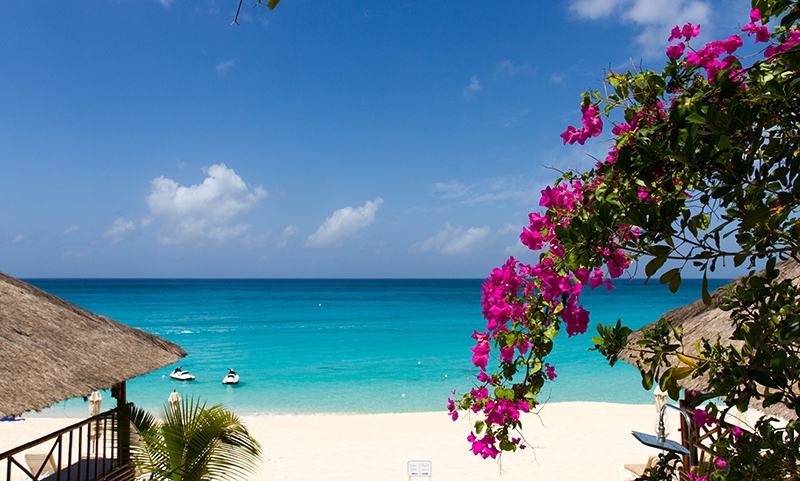
At first glance, it's easy to see another beautiful Caribbean destination: turquoise water, beaches, sunshine, resorts, boats, and rum drinks.
Look a little deeper and something much more complicated emerges.
Colonial rivalry.
Migration.
Commerce.
European influence.
Caribbean identity.
Food.
Music.
Language.
And nearly four centuries of two nations figuring out how to share one very small piece of the world.
That makes us curious.
And curiosity is usually where the best journeys begin.
Sometimes the most interesting thing about a destinationisn'tt what there is to see. It's discovering why the place became what it is.
Robert Riesmeyer is the Founder and Travel Concierge/Host of Epic Explorations and the voice behind The Resonant Explorer. A lifelong traveler, storyteller, and relentlessly curious explorer, Robert looks beyond the obvious—into the people, history, culture, and unexpected stories that give a place meaning.
Based in the Kansas City area, he explores the world, follows intriguing rabbit holes, and seeks experiences most travelers overlook. For Robert, travel isn't about collecting destinations. It's about curiosity, connection, wonder, and discovering the stories that stay with us long after we return home.