
South America: South America refuses to be reduced to a single story.
On Our Radar
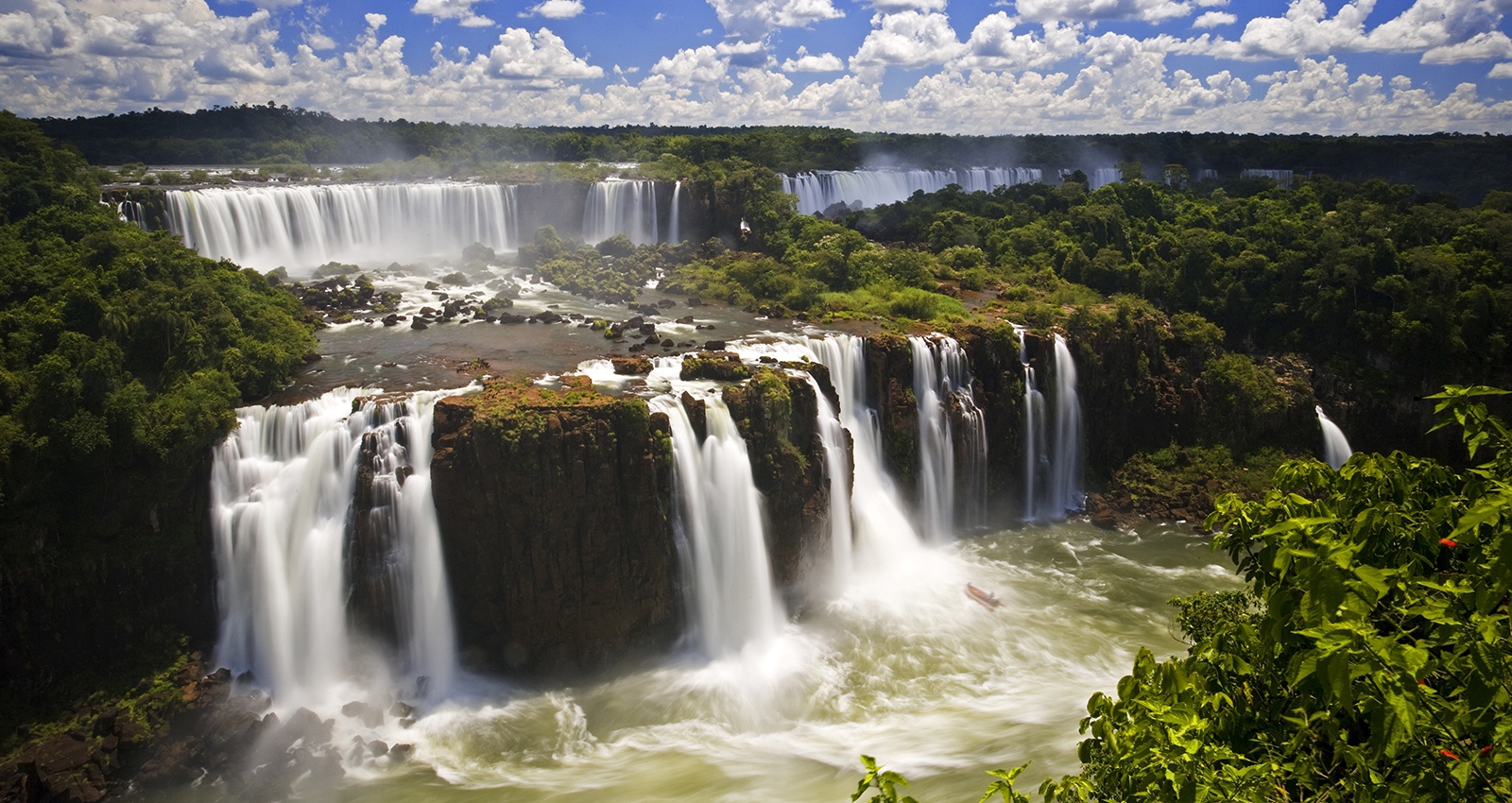
The continent stretches from Caribbean coastlines and equatorial forests to high Andean communities, sprawling cities, celebrated wine regions, and the windswept landscapes at the end of the world. Within that geography are ancient pathways, living Indigenous traditions, layered colonial histories, distinctive cuisines, political transformations, family enterprises, and communities finding new ways to preserve what makes their corner of the continent unique.
There is clearly something here for Epic Explorations.
We simply do not know what shape it should take yet.
Perhaps the beginning is found along the Andes, following the stories, foods, and traditions that have crossed modern borders for centuries. The historic Qhapaq Ñan—the Main Andean Road—once connected territory now divided among Argentina, Bolivia, Chile, Colombia, Ecuador, and Peru. It suggests a fascinating possibility: not a journey built around one country, but one that follows a much older cultural thread.
Perhaps the thread is agricultural.
South America’s landscapes have shaped what people grow, prepare, drink, and share. Quinoa, for example, is native throughout the Andean region, where Indigenous communities and small farmers have preserved both the crop and the knowledge surrounding it. That relationship among food, landscape, inherited knowledge, and identity feels especially relevant to the kinds of journeys we want to create.
Or perhaps the story lies farther south.
Argentina introduced us to the aromatic Torrontés grape and to the people whose personal histories are woven into the country’s wine culture. Patagonia raises entirely different questions about distance, resilience, migration, conservation, and what it means to build a life near the edge of the inhabited world.
Colombia presents another possibility: a country too often understood through outdated headlines rather than through its artists, farmers, entrepreneurs, communities, and remarkable geographic diversity.
Brazil could become many journeys of its own—music, faith, architecture, food, migration, Afro-Brazilian history, and communities whose identities have been shaped by rivers, forests, coastlines, and cities.
And then there is the Amazon, which cannot responsibly be treated as a backdrop for adventure. It reaches across eight South American countries and encompasses an extraordinary diversity of peoples, cultures, and ecosystems. Any journey connected to the region would have to begin with local voices, careful partnerships, and respect for the people whose lives and knowledge are inseparable from the forest.
What Are We Looking For?
We are not looking for a checklist of South America’s most recognizable attractions. Those places may become part of a future journey, but they would not be enough to give it meaning.
We are looking for the connection we have not yet discovered:
- A storyteller who changes the way we understand a place
- A family carrying forward generations of knowledge
- A food or wine tradition rooted in a particular landscape
- A community preserving its identity while imagining its future
- A road, river, crop, migration, or historical event that connects several places
- A question compelling enough to shape an entire journey
- A trusted local partner who can help us move beyond the familiar narrative
South America may eventually inspire one journey, several distinct journeys, or an evolving collection of experiences. Argentina, Colombia, the Andes, the Amazon, Patagonia, and the continent’s food and wine cultures already suggest very different directions. Trying to force them together prematurely would diminish what makes each of them worth exploring.
For now, we are listening.
We are following the people, places, flavors, landscapes, and unfinished stories that continue to capture our curiosity. When the right thread appears—and when we find the people who can help us understand it—South America may move from something On Our Radar to something we are actively dreaming about.
Until then, it remains exactly where it belongs:
On our radar, full of possibility, waiting for its story to reveal itself.
What Do You Think We Should Follow?
Is there a South American community, cultural tradition, historic route, remarkable property, regional food, or unforgettable storyteller that deserves our attention?
Tell us what should be on our radar.