
Africa: A Continent Too Vast for a Single Story
On Our Radar
e places capture our attention because we can already see the journey taking shape.
Africa has captured our attention for the opposite reason.
It is simply too vast, too varied, and too full of stories to reduce to a single idea. The African Union recognizes 55 member states across five geographic regions, each containing different cultures, landscapes, histories, languages, cuisines, traditions, and ways of understanding the world.
Calling Africa a destination is a little like calling the ocean a body of water. It may be technically true, but it does not begin to describe what is there.
That is why Africa is On Our Radar.
We know there are journeys waiting to be discovered here. We simply do not know which story will call to us first.
What Has Our Attention
Perhaps it will begin in Morocco, somewhere beyond the familiar routes, where an old medina, a family kitchen, an artisan’s workshop, or a conversation over mint tea opens a door into a much larger story.
Perhaps the thread will lead to Ghana and the complicated intersection of memory, ancestry, resilience, music, creativity, and the Atlantic world.
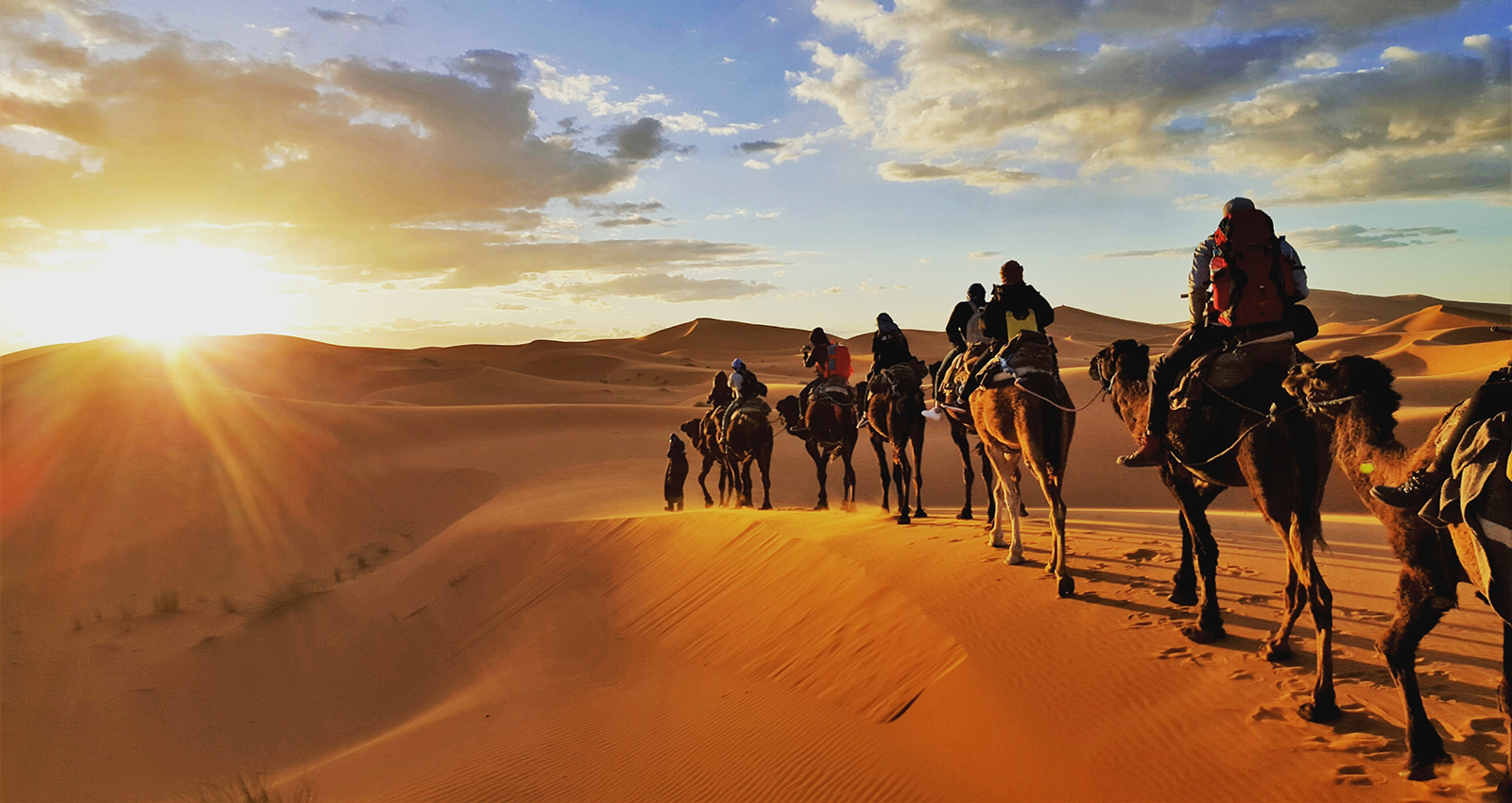
It could emerge in Namibia, where immense desert landscapes, conservation, Indigenous knowledge, and some of the darkest skies on Earth invite travelers to reconsider their place in the natural world.
Maybe it will take shape in Rwanda through conservation, renewal, reconciliation, and the people whose lives are connected to the forests and wildlife that travelers come so far to encounter.
It might be found in Ethiopia’s ancient faith traditions, Senegal’s contemporary creative energy, Kenya’s foodways and conservation stories, Botswana’s relationship with wilderness, or South Africa’s many layers of history, wine, art, culture, and identity.
Or perhaps the journey will begin somewhere we have not yet considered—because the right person tells us a story we cannot stop thinking about.
Beyond the Expected Africa
Wildlife may eventually be part of the experience. A thoughtfully designed safari can inspire wonder and create meaningful support for conservation and surrounding communities.
But wildlife alone cannot tell Africa’s story.
We are equally interested in the artists, historians, farmers, chefs, musicians, winemakers, conservationists, guides, craftspeople, entrepreneurs, spiritual leaders, and community storytellers who can help us encounter a particular place more honestly.
We want to understand what grows there and why. What people cook when they gather. Which stories have been preserved, which have been overlooked, and which are still being written. We want to explore the relationship between land and identity, heritage and modern creativity, difficult history and hopeful possibility.
Most importantly, we want to avoid approaching the continent as though it were a single culture or a collection of dramatic photographs waiting to be taken.
Any future Epic Explorations journey must begin with a specific place and the people who know it—not with a generalized idea of “Africa.”
The Questions We Are Asking
Before an idea moves from On Our Radar into What Are We Dreaming About, there must be a thread strong enough to hold the journey together.
For Africa, we are still asking:
- Where can we move beyond the expected itinerary?
- Who are the local storytellers we should be listening to?
- What experience would help travelers understand one particular place more deeply?
- Can wildlife, culture, food, history, and contemporary life be connected without allowing one to overshadow the others?
- How can tourism support local communities, heritage, and conservation rather than merely passing through?
- Is there a story here that deserves more time, more attention, and a more thoughtful kind of traveler?
We do not have those answers yet.
That is precisely why Africa belongs here.
Something Is Here
Africa will not become one Epic Explorations journey. It may eventually inspire many—each grounded in a particular country, region, community, or idea.
One might be shaped by origins and human history. Another by food, agriculture, and terroir. Another by art and contemporary identity. A different journey could explore conservation, sacred traditions, colonial history, cultural memory, or the ways communities are imagining their own futures.
For now, we are reading, listening, asking questions, and paying attention to the people and places that may reveal the first thread.
Something is here.
We just do not yet know what the journey will become.
What Do You See?
Have you encountered a place, person, lodge, community project, meal, landscape, or story in Africa that deserves a closer look?
Tell us what captured your imagination—and why you believe it might belong in an Epic Explorations journey.